Intelligent Automation of Solari’s Corporate Travel Expenses
AIDAS is the project through which we at Solari introduce Artificial Intelligence into the management of business travel expenses, transforming a traditionally manual process into a digital, fast, and reliable workflow. The development was made possible thanks to funding from SMACT as part of its initiatives dedicated to industrial innovation and the digitalization of administrative processes.
Why AIDAS?
Managing travel expenses is often a burdensome activity: employees must keep receipts, invoices, and slips, transcribe the data, and submit everything to the administration.
The administrative office, in turn, must verify their accuracy, check tax information, and correct errors or unreadable documents.
A long, repetitive process prone to inaccuracies.
AIDAS was created to eliminate most of this burden, making the entire workflow much simpler for everyone.
How it works:
AIDAS uses advanced OCR technologies, Deep Learning models, and Computer Vision algorithms to automate document reading.
The process is immediate:
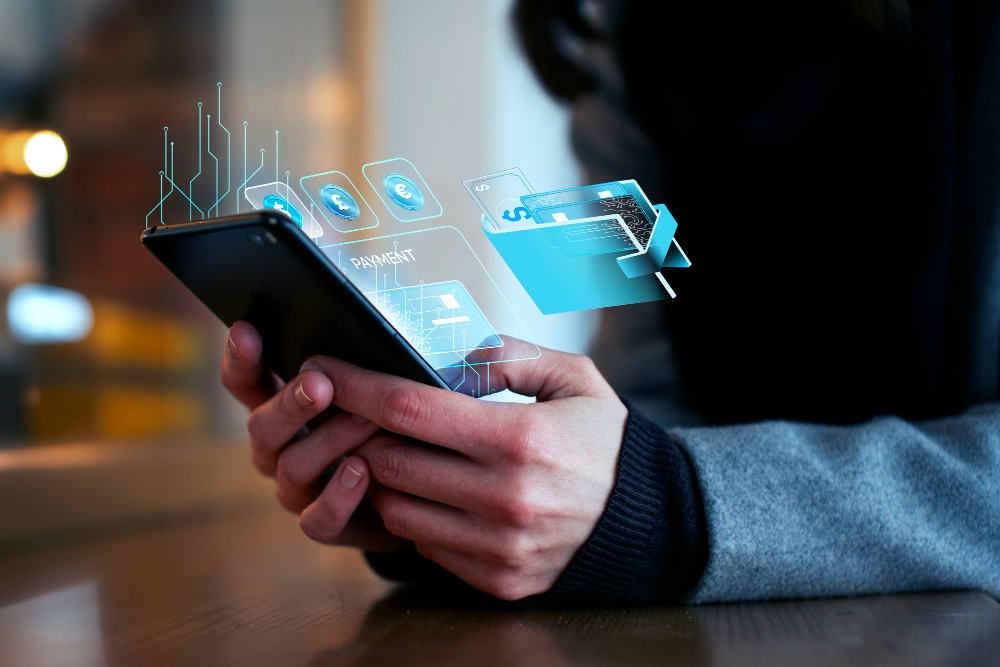
The employee photographs the receipts directly from their smartphone.
The images are processed through advanced neural models.
The system automatically recognizes amounts, dates, tax details, VAT numbers, and other relevant data.
A ready-to-use PDF for expense reporting is generated, without the need for manual transcription.
The technological core: Vision Transformers
AIDAS integrates models inspired by Vision Transformers (ViT), the current standard in Computer Vision.
These algorithms make it possible to:
read text even when tilted, damaged, or poorly legible;
adapt to highly varied formats of receipts and invoices;
automatically correct defects such as reflections or shadows;
improve accuracy through progressive learning.
The result is extremely precise document reading, with a drastic reduction in transcription errors.
Efficiency and sustainability
In addition to speeding up the work of employees and administration, AIDAS nearly eliminates the need for paper documentation, helping to:
reduce paper consumption;
simplify archiving;
lower the environmental impact of administrative processes.
An operational advantage that also becomes a benefit for the environment.
Learn more about the project
Watch the full video interview:
https://youtu.be/w7ySrkZhttc